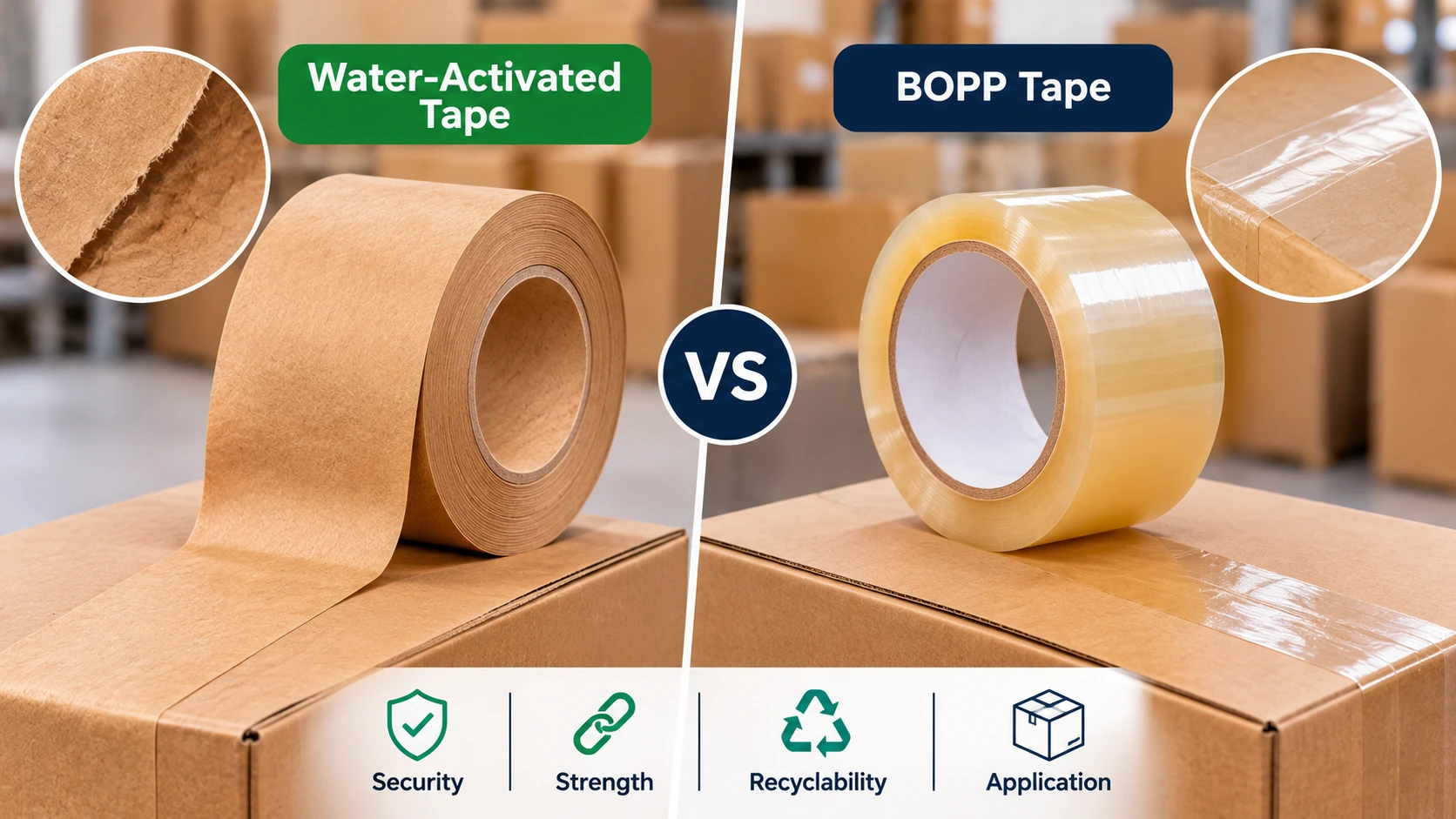
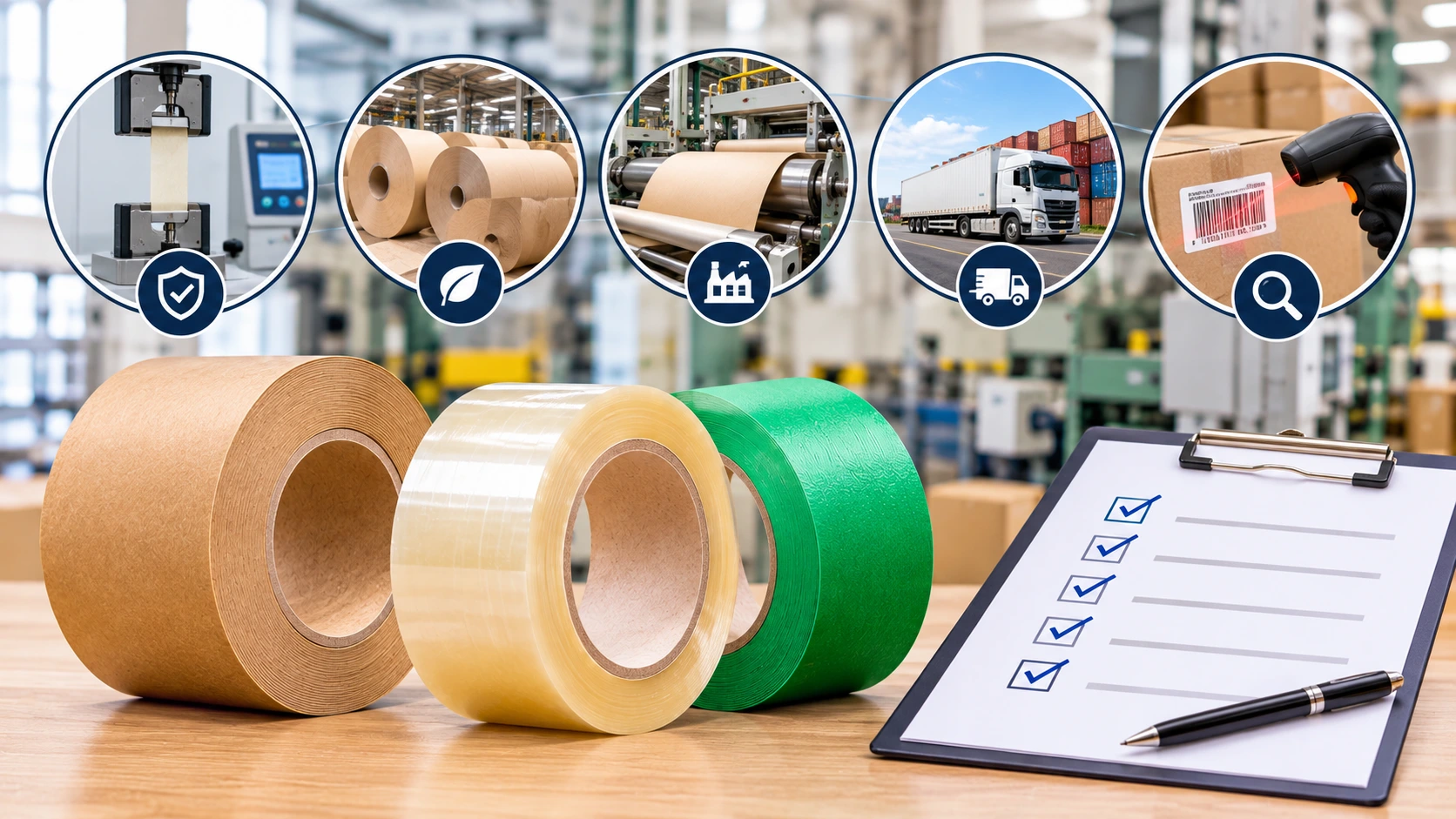
A small component can create a large production problem
In a manufacturing plant, tape may represent a small part of the bill of materials. Its role, however, can be much bigger than its purchase price suggests. If a tape fails during a critical process, a veneer line may need to stop for adjustments, material may be lost, or operators may spend time repairing defects. In packaging, an unsuitable closure can create problems during handling or make it difficult to identify whether a carton has been opened.
This is why choosing an industrial tape supplier should involve more than comparing price per roll. Buyers should understand how the product performs in their process, how quality is controlled and whether supply can be maintained when demand changes.
Look for application knowledge, not just a product catalogue
An industrial tape may be used in very different conditions depending on the industry. Veneer tape, for example, needs to work with the veneer material and the customer’s peeling, handling and drying process. Packaging tape must suit the carton, load, transport route and application method.
A supplier that asks detailed questions about the application is often better placed to recommend a suitable grade than one that selects a product based only on a short description. Useful questions include: What material is being joined or sealed? At what stage is the tape applied? What temperature or moisture conditions are involved? What does a failure look like? What result would count as success?
Why application testing matters
Routine quality checks are important, but standard tests alone may not recreate the customer’s process. An application-focused laboratory can go a step further by testing the product with the customer’s material and replicating relevant manufacturing steps.
For veneer applications, that might mean applying tape to sample veneer, reproducing the wetting and drying stages, and evaluating the result after bonding or pressing. For other applications, the relevant method will be different. The aim is to move the discussion from a general product claim to evidence from a representative trial.
Customers should ask what was tested, which conditions were used, what criteria were measured and whether the results are repeatable. A clear report is more useful than an unsupported statement that a product is suitable for every application.
Backward integration and control of inputs
Product consistency begins before the finished tape reaches the customer. The paper, adhesive ingredients and manufacturing process can all influence performance. Where a manufacturer has greater control over critical raw materials and adhesive production, it may have more scope to monitor inputs and investigate variation.
Backward integration is meaningful when it translates into demonstrable process control. Buyers can ask how incoming materials are checked, how adhesive batches are monitored, how production parameters are recorded and how changes are managed. The specific benefits should be supported by the manufacturer’s actual procedures and data.
Supply-chain resilience is part of product reliability
A technically suitable tape is not much help if it is unavailable when a production line needs it. Industrial buyers should understand the supplier’s sourcing arrangements, procurement planning, inventory policy, lead times and contingency options.
Multiple sourcing regions and long-standing supplier relationships can reduce reliance on one route or geography, although they cannot remove every supply risk. Forward planning and local sourcing alternatives may give a manufacturer more options when shipping or raw-material markets are disrupted.
Ask potential suppliers how they plan for shortages, how they communicate changes to lead times and what information they can share about continuity. The aim is not to demand a promise that disruption is impossible; it is to understand how the supplier prepares for it.
Batch traceability and complaint investigation
Even well-controlled manufacturing processes need a clear way to investigate problems. Retained control samples, production records and batch identification can help a supplier compare a reported issue with the material produced at the time.
When evaluating a supplier, ask how long batch samples are retained, how a complaint is logged, what information is needed from the customer and how findings are communicated. A defined process helps both sides investigate the cause rather than relying on assumptions.
A practical checklist for selecting an industrial tape manufacturer
Before approving a supplier, consider these points :
• Can the supplier explain the product’s intended application and limitations?
• Can it provide a technical data sheet and relevant test information?
• Can it evaluate the product using your material or representative process conditions?
• Does it have documented batch identification and a complaint-investigation process?
• Can it explain its raw-material sourcing and supply-continuity planning?
• Are certifications current, relevant and independently verifiable where required?
• Can it supply samples and support a controlled production trial?
• Are lead times, minimum order quantities and product variations clearly communicated?
A supplier’s answers should be specific and supported by evidence. That is a more reliable basis for a long-term relationship than a broad claim of being the cheapest or the best.
How WACO can help
WACO manufactures specialized tape solutions for packaging and veneer-related applications. Contact the team with your material, process conditions and performance requirements to discuss product selection and application testing.