The difference starts with how the tape sticks
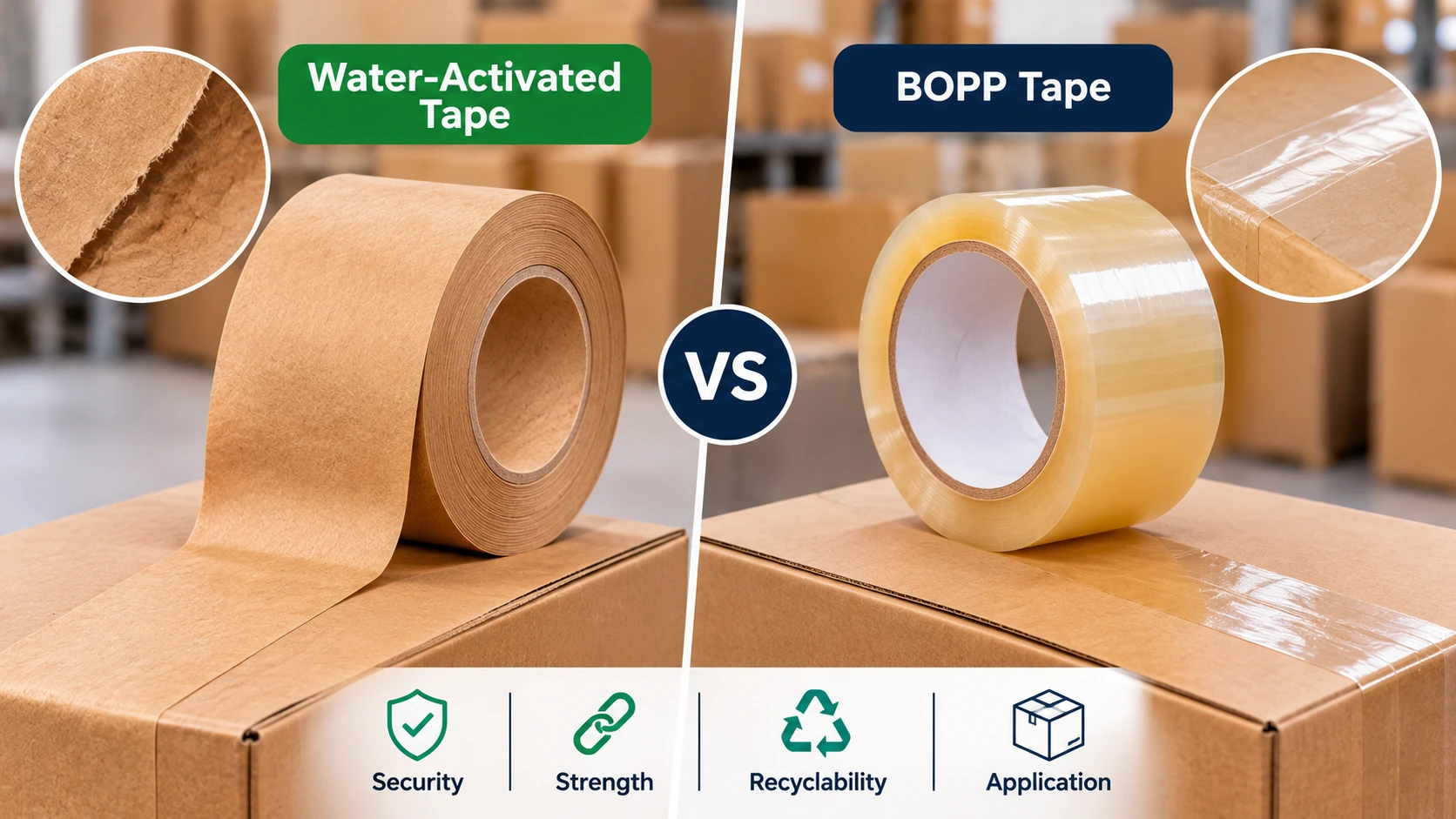
BOPP tape is familiar in warehouses, dispatch areas and e-commerce packing stations. It is pressure-sensitive: the user pulls it from the roll and presses it onto the carton. Water-activated tape works differently. Its adhesive is activated with water before the tape is applied, allowing it to bond with the fibers on the corrugated carton surface.
Neither option is automatically right for every business. The better choice depends on what is being shipped, the carton quality, the packing process, the level of security required and the company’s sustainability goals.
Security: what does tamper-evident mean?
One advantage of water-activated paper tape is its tamper-evident bond. When properly applied and allowed to bond, attempts to remove it can damage the carton surface or leave visible evidence that the seal has been disturbed. This makes it harder to open a carton and reseal it neatly without detection.
Tamper-evident does not mean tamper-proof. No tape can guarantee that theft or interference will never occur. The benefit is that the seal can make interference more apparent and help receiving teams identify packages that may need inspection.
Bonding and carton integrity
Because water-activated adhesive bonds with the carton fibers, the tape can become part of the carton closure rather than simply sitting on top of the surface. For some packaging operations, this can provide a secure seal with fewer layers of tape.
Reinforced water-activated tape contains strengthening fibers and may be suitable for heavier cartons or shipments that need additional closure strength. Non-reinforced grades can be appropriate for many standard carton-sealing tasks. The right grade depends on carton weight, size, transport conditions and handling.
Recyclability and material choices
Paper-based water-activated tape is often considered by businesses trying to simplify paper-carton recycling and reduce plastic packaging. Non-reinforced grades made from paper and starch-based adhesive can be compatible with paper recycling systems, but buyers should verify the specific product’s composition and relevant recycling claims.
Reinforced tape needs a more careful explanation because reinforcement materials can affect how the product is processed. Do not assume every paper tape or every reinforced grade has identical recyclability or biodegradability. Check the manufacturer’s technical data and any applicable third-party testing.
Application speed and total cost
BOPP tape is convenient and familiar, especially where operators need a simple hand-held dispenser. Water-activated tape requires a water source or suitable dispenser, which means the packing station may need a different setup.
However, the purchase price per roll is not the only cost to consider. Businesses should also look at the amount of tape used per carton, re-taping, damage during transit, security requirements, labor, equipment and the consequences of a carton being opened without obvious evidence. A short trial using real cartons is often the best way to compare total cost.
Which option should you choose?
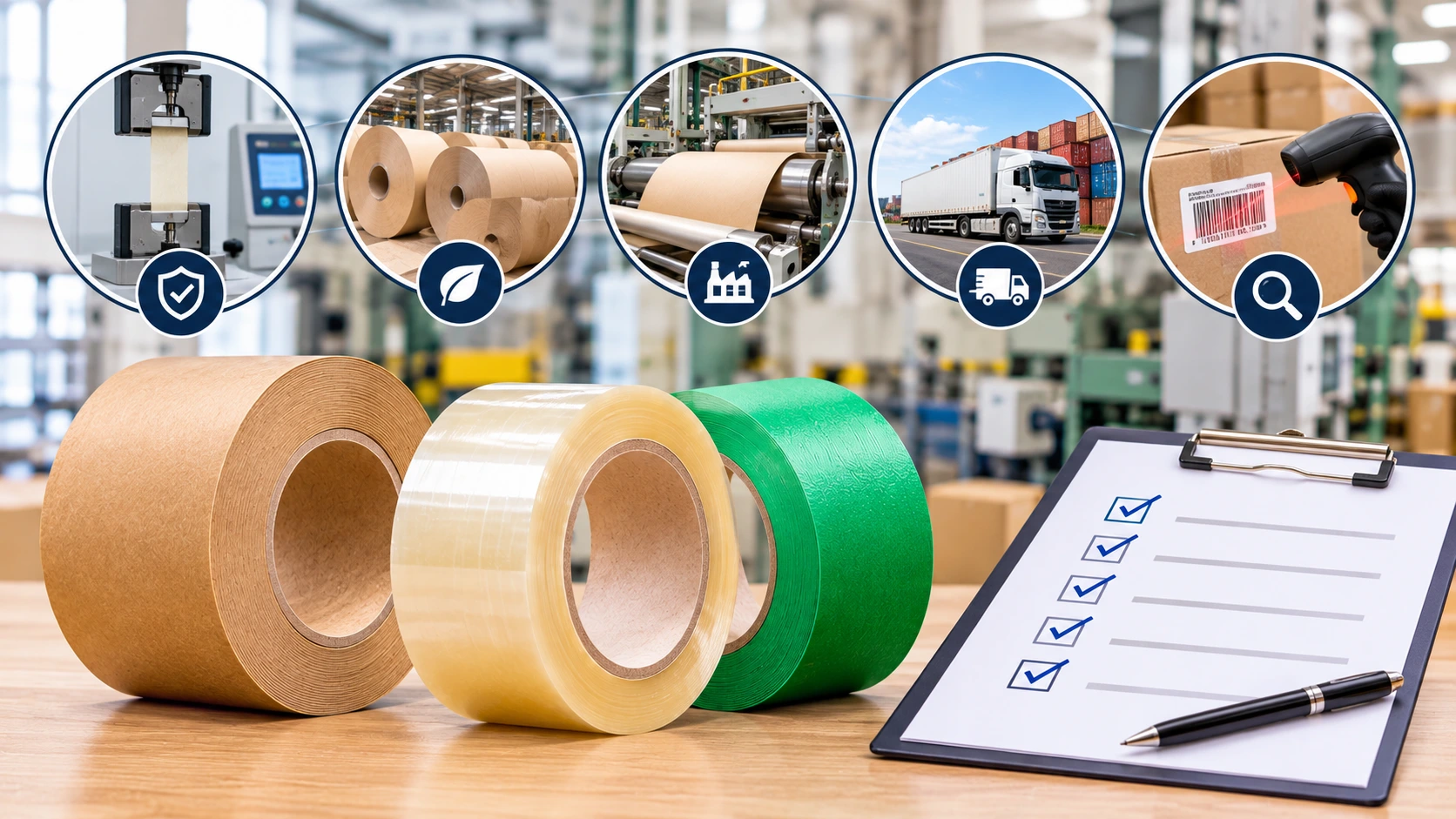
Choose based on the job, not a blanket claim that one tape is always better. BOPP may suit operations that prioritize familiar, fast application and low upfront cost. Water-activated tape may be worth evaluating where a strong carton bond, visible tamper evidence, paper-based packaging or branded carton sealing matters.
Before making a change, test the tape on the actual carton grade and package weight. Check application consistency, seal strength, handling, storage and performance after transport. For reinforced grades, include the intended load and handling conditions in the evaluation.
How WACO can help
WACO offers water-activated and gummed paper tape solutions, including reinforced options. Discuss your carton size, shipment weight, packing process and security needs with WACO to identify a suitable grade.